Introduction to basic education
Education is a human right and a driver for individual, social and economic development. The Sustainable Development Goals (SDG) recognize education as a goal and a means for achieving other SDGs. Inspired by the Swiss educational system SDC builds on the mutually reinforcing qualities of basic education and vocational skills development and stresses the link to the labour market. With significant private and societal returns, basic education is often considered as the single best public investment.
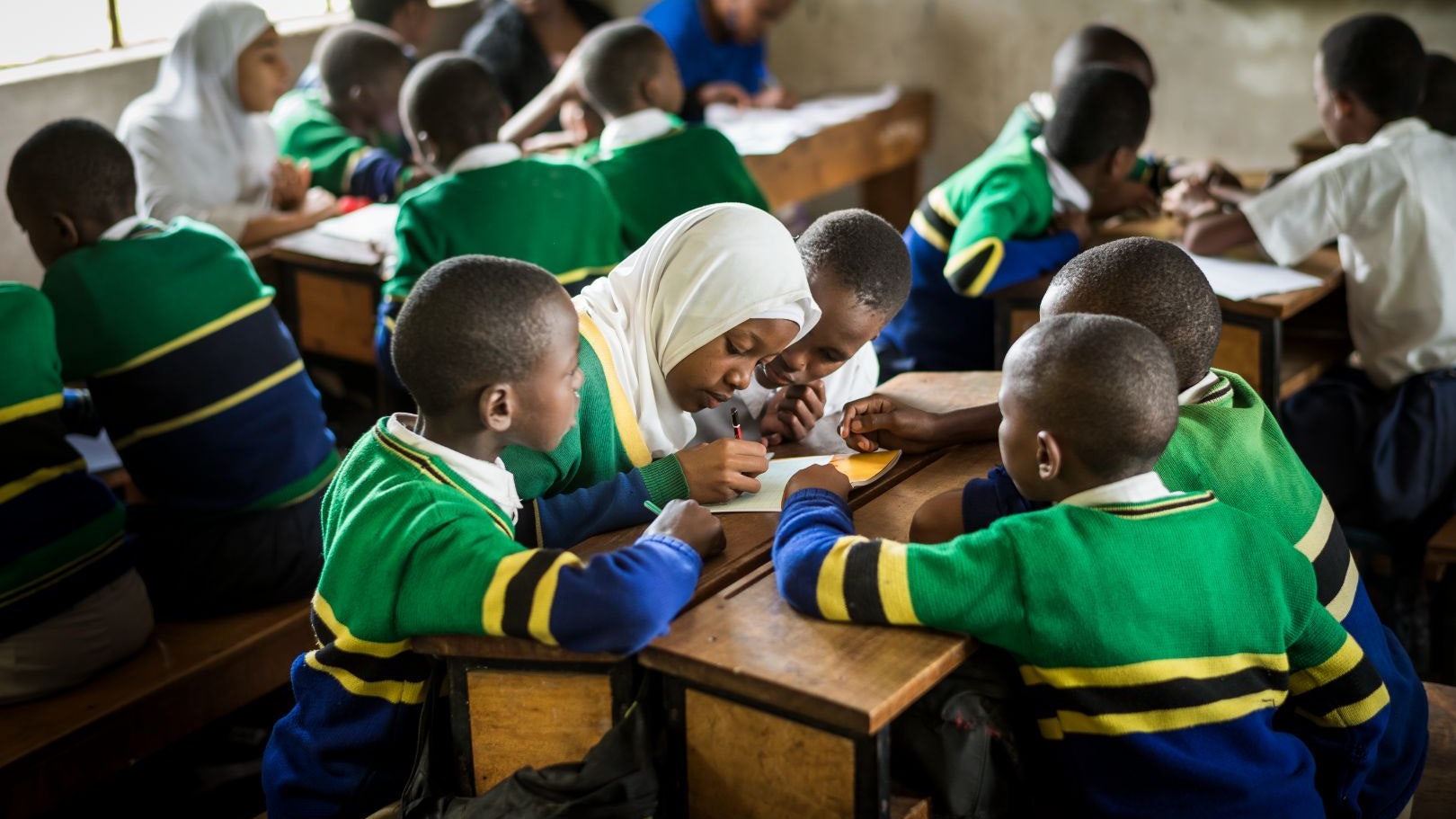
SDC has decided in January 2025 to phase out its thematic engagement in basic education. This decision reflects a strategic prioritization of resources, with increased focus on Education in Emergencies (EiE) and Vocational Skills Development (VSD).
At the same time, SDC remains committed to ensuring a responsible and gradual transition. Ongoing basic education projects will continue to be implemented until the end of their respective phases. For this reason, documentation, tools and knowledge products related to basic education remain available on this platform.
Education - Equal opportunities for all
Education is a fundamental human right and a powerful driver for individual, social and economic development. Education develops people’s abilities to lead meaningful and productive lives, to pursue sustainable development, and to enhance social cohesion and resilience. Education plays a crucial role in fragile countries, efforts to improve education systems aim at a wider impact in terms of peace and state building, civic participation, and prevention of violent extremism during and after the crisis.
Contribution to SDG 4 and SDG 8
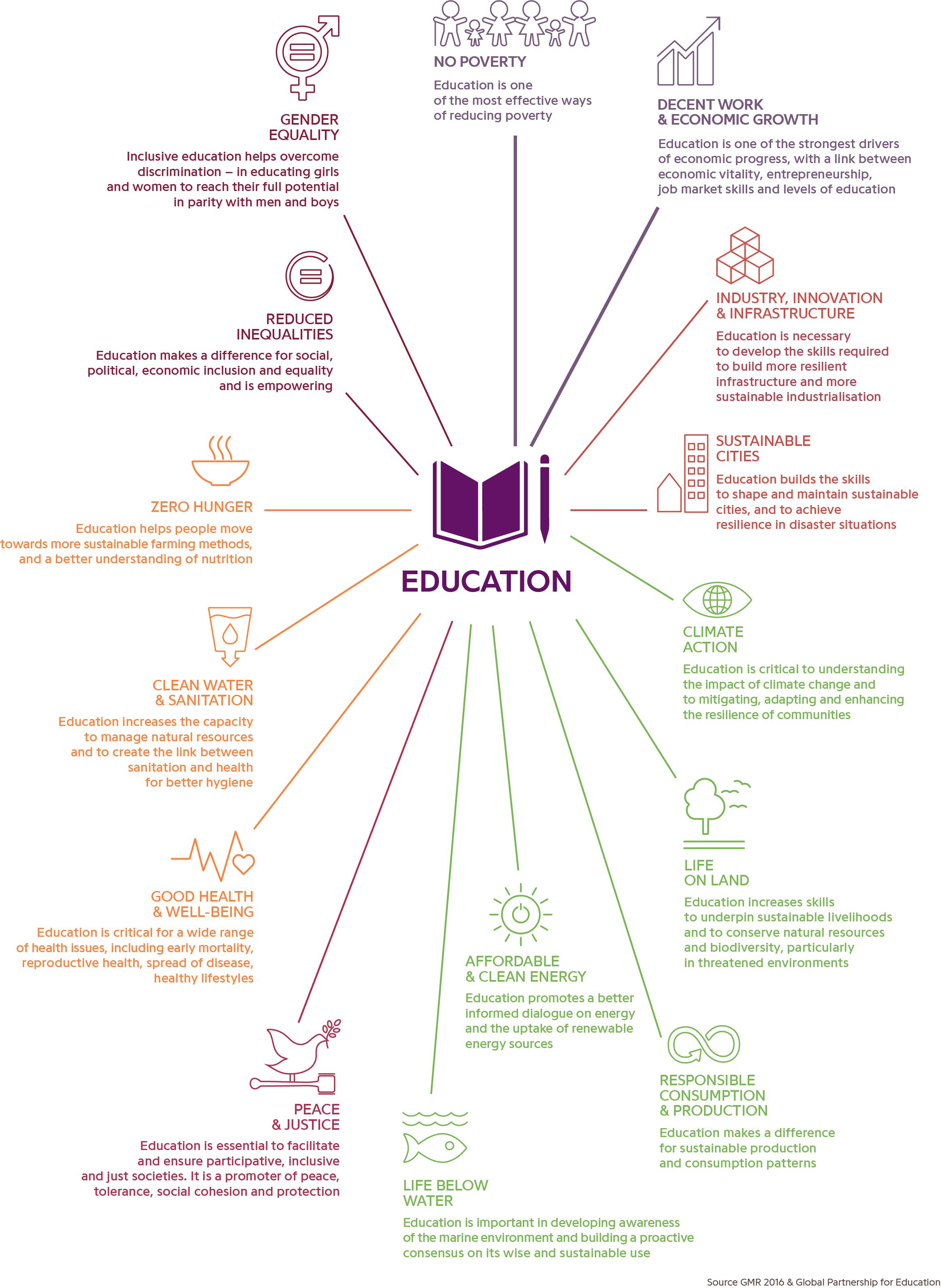
Ensuring inclusive and equitable quality education and promoting lifelong learning opportunities for all is the fourth sustainable development goal (SDG 4) of the 2030 Agenda for Sustainable Development which recognize education both as a specific goal and as a means for achieving other SDGs; along with achieving decent work for all within the framework of sustained economic growth and eradicating poverty (SDG 8).
.jpg?auto=format)
What is basic education?
Basic education meets the basic learning needs of children, youth and adults to build their foundational and basic skills. Basic education goes beyond literacy and numeracy and also includes socio-emotional skills, critical-thinking and problem-solving skills, as well as other essential skills for individual, social, and economic life and further learning.
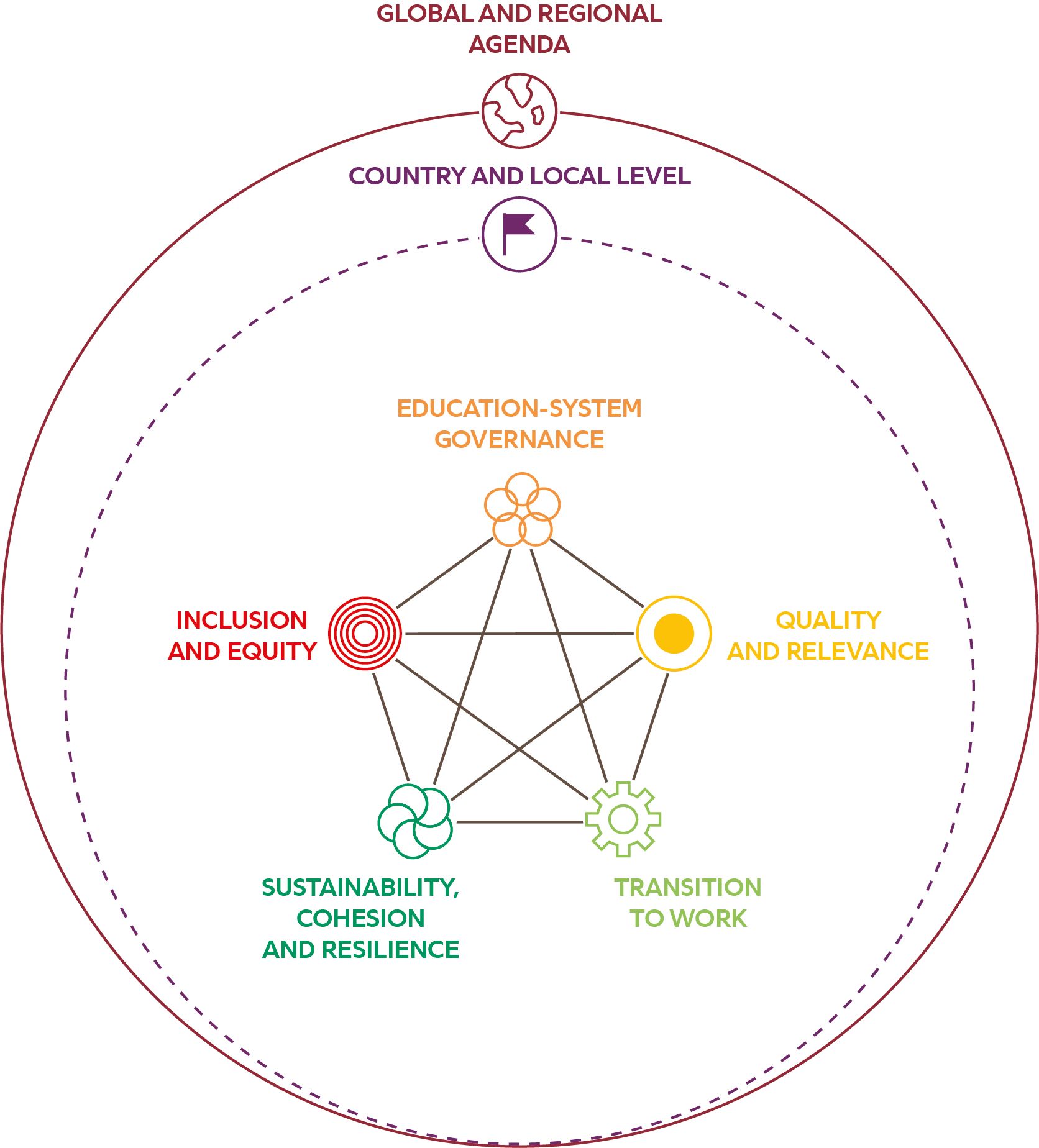
Infographic: Priorities of basic education
Basic Education comprises (pre-)primary and lower-secondary-level formal education (public and private), non-formal and alternative education programs responding to learning needs of people of all ages (lifelong learning) and also needs to be ensured in emergency situation.
SDC’s priorities and experience
Quality basic education leads to agency, power and choice in one’s life path. It lays the foundation to access and understand information and knowledge, think critically, solve complex situations and access further learning and jobs. Empowering people living in poverty and social exclusion begins with education.
The SDC concentrates on children and youth to ensure their right to quality education and lifelong learning opportunities and to enhance their prospects for life and work. It pays special attention to disadvantaged and marginalized groups, to the inclusion of children and young people out of school, including those affected by crisis, forced displacement or migration, and to opening up prospects for them.
.jpg?auto=format)
The SDC aims to achieve systemic change in education and addresses education and the protection needs of children and youth during emergencies and crises. It strengthens the complementarity between basic education and vocational skills development and promotes education as a means of enhancing social cohesion and conflict transformation, economic empowerment, and sustainable development.
Inspired by the Swiss educational system for basic education and vocational skill development SDC’s engagement builds on the mutually reinforcing qualities of basic education and vocational skills development and stresses the complementarity of both and their strong link to the labour market and to economic development.
Economic case for investing in basic education
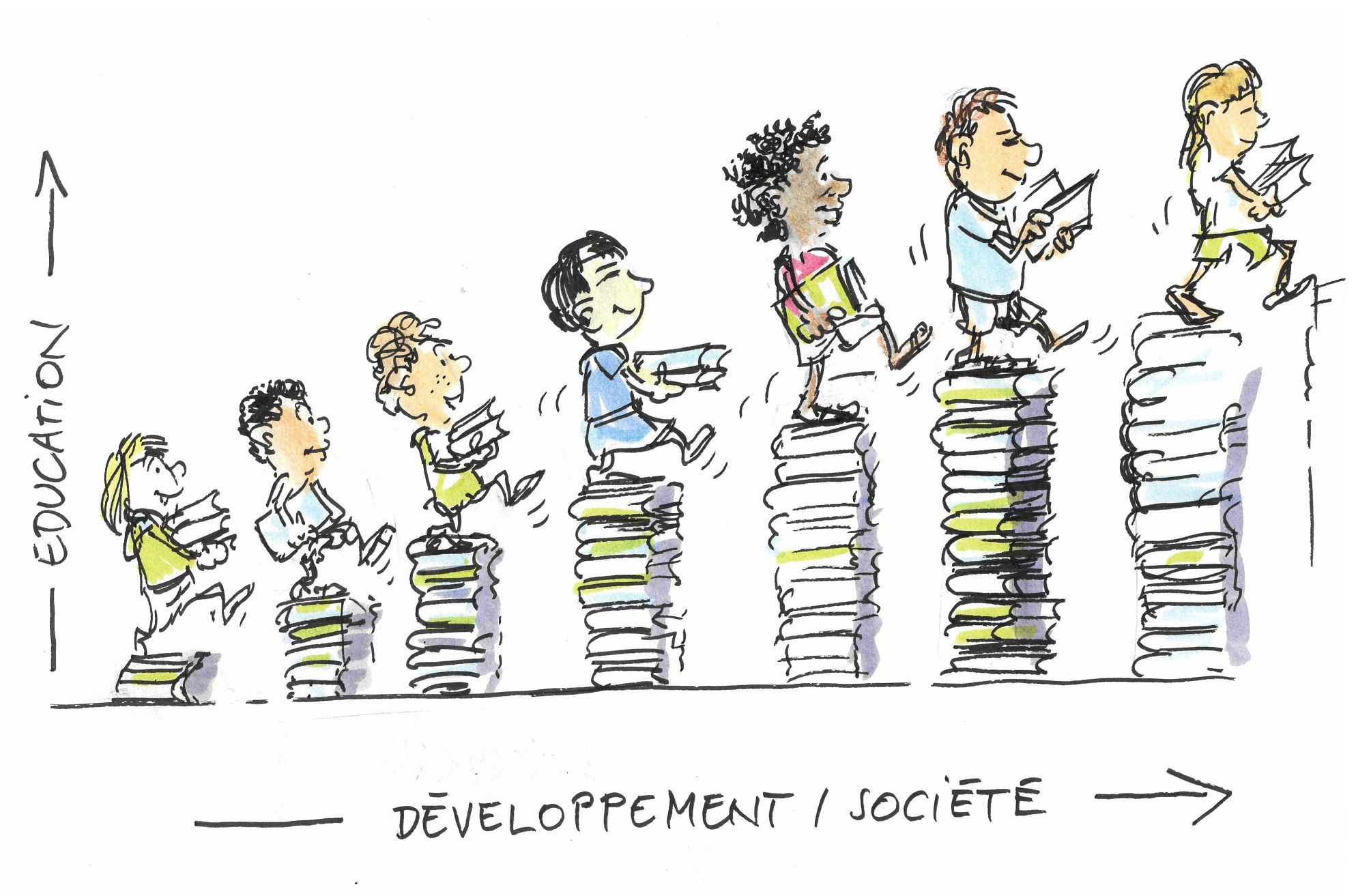
Quality basic education is a common good that benefits individuals, families and societies at large. This can be observed from higher individual earnings and economic growth, to positive health outcomes, reduced inequalities, innovation, a more active citizenry and the creation of just and peaceful societies. Basic education can produce immense value for generations. Private, societal and economic returns to investment in education are substantial – even more for basic education than for later-stage education and training. Each additional year of education yields approximately a 10% rise in annual earnings and a 10 percent GDP boost over the course of a 40-year period. The opportunity cost of failing basic education, in form of unrealized economic growth are substantial. As such, investing in basic education is the best possible private and public investment.