
Engaging the Private Sector in Humanitarian Contexts: Insights from the International Cooperation Forum 2026
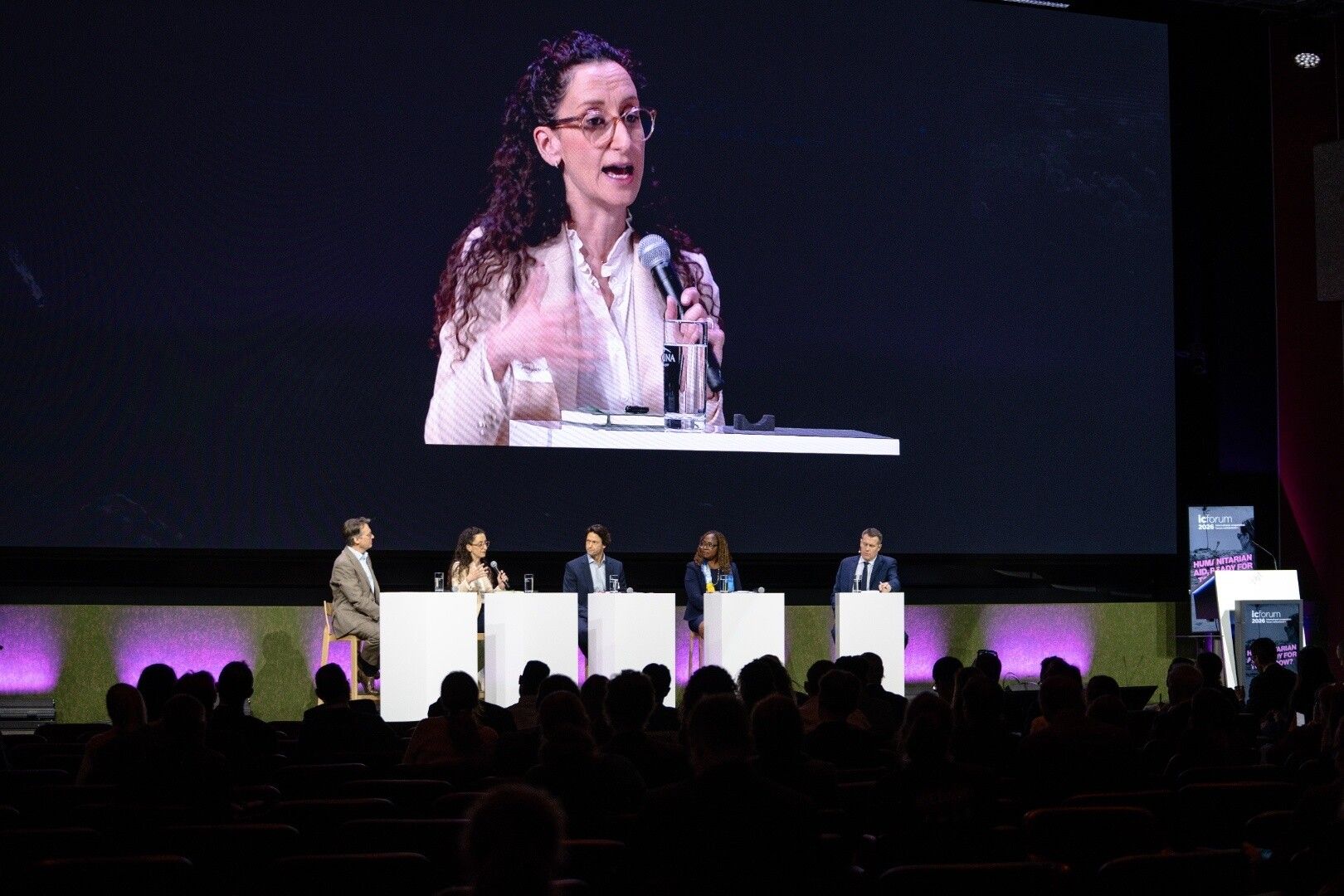
At a time when global humanitarian needs continue to outpace available funding, the Economy & Education (E+E) Section of the Swiss Agency for Development and Cooperation (SDC) convened a timely session on “Engaging the Private Sector in Humanitarian Contexts” at the International Cooperation Forum 2026, hosted and organised by SDC, under the overarching theme: “Humanitarian Aid: Ready for Tomorrow?”

The panel brought together diverse expertise:
- Josie Lianna Kaye, Chief Executive Officer & Founder Trust Works
- Marie-Laure Akin-Olugbade, Senior Vice President African Development Bank
- Laurent Matile, Expert for Business and Development, Alliance Sud
- Patrick Elmer, CEO, iGravity
- Pietro Lazzeri, Ambassador, Head of the Economic Cooperation and Development Division, SECO
Together, they addressed critical questions:
- What tangible results can private sector engagement deliver in humanitarian crises?
- And how can we ensure that humanitarian principles are upheld in these partnerships?
.jpg?rect=90%2C0%2C1440%2C1080&w=1024&auto=format)
The discussion highlighted a key reality: public aid and international donations alone are no longer sufficient. The private sector has an increasingly important role to play - not only in crisis response, but also in prevention and resilience-building. When aligned with humanitarian principles and international standards, private sector engagement can strengthen the humanitarian system by delivering faster responses, supporting local markets, improving access to essential services, and contributing to more resilient societies.
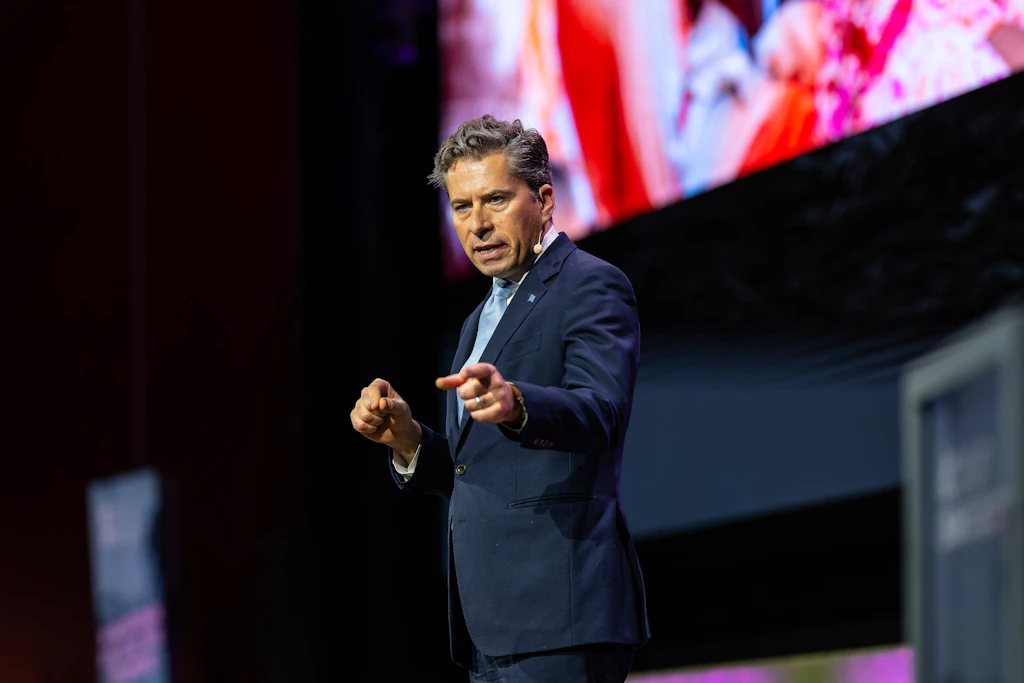
At the same time, speakers emphasized that such engagement must be responsible and principled. It requires thorough due diligence and a clear commitment to international standards. In fragile and conflict-affected contexts, the goal must go beyond “do no harm,” toward actively understanding and addressing how business activities interact with conflict dynamics. Crucially, private sector involvement is not about replacing state responsibility, but about saving lives and reducing suffering.
The session also explored how innovative financing approaches, including blended finance, risk-sharing mechanisms and impact-linked finance, can help mobilize private resources. By de-risking investments, public finance can unlock greater private sector participation - provided that additionality and measurable development impact remain at the core.

The session was part of a high-level event opened by Federal Councillor Ignazio Cassis, Head of the Federal Department of Foreign Affairs (FDFA), and featured a keynote address by Tom Fletcher, Under-Secretary-General for Humanitarian Affairs and Emergency Relief Coordinator at OCHA.
As humanitarian challenges grow in scale and complexity, the conversation made clear: building effective, principled partnerships with the private sector will be essential to ensuring that humanitarian aid is truly ready for tomorrow.