
Education in emergencies
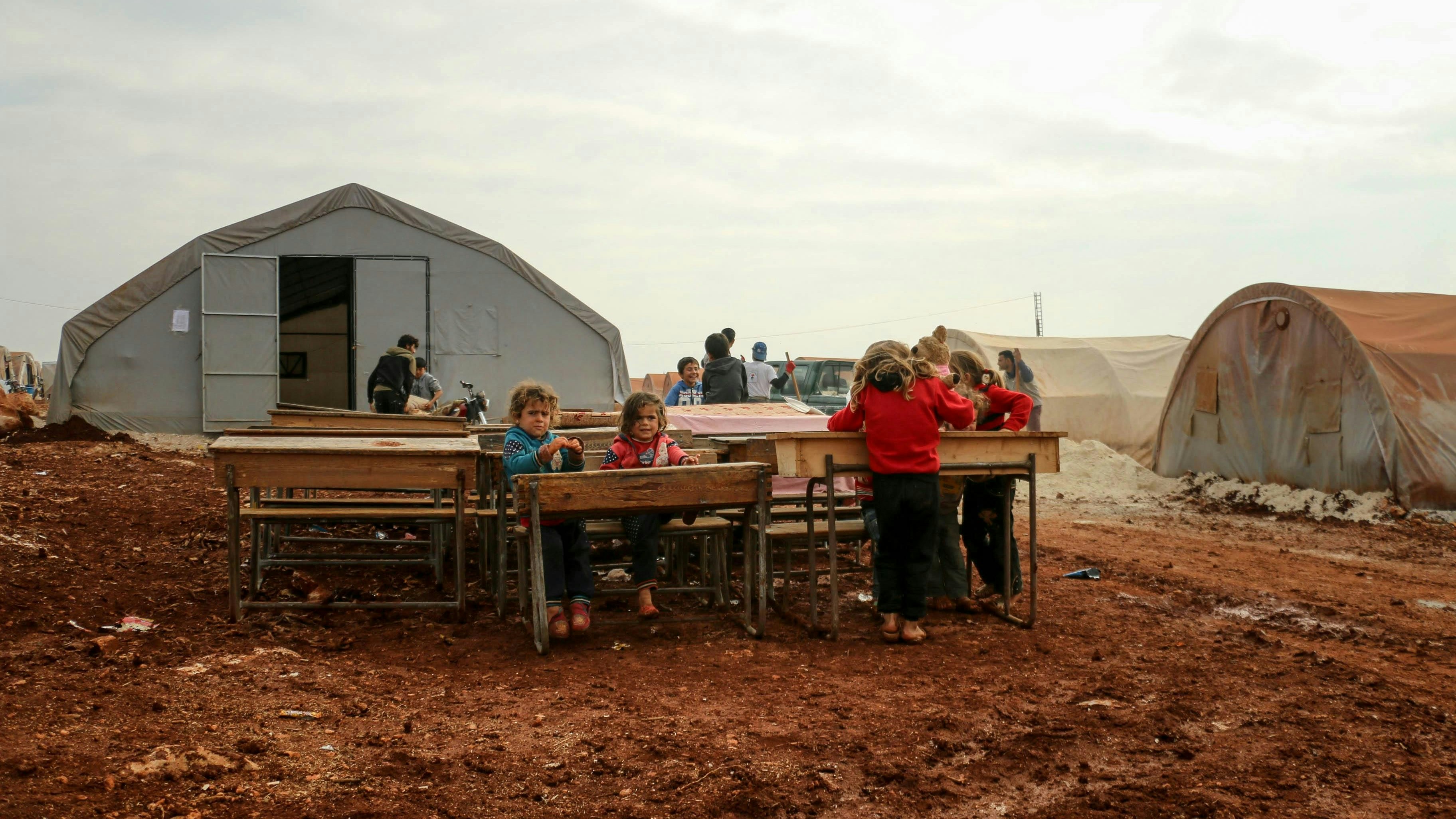
As natural and human-made crises are becoming more frequent, children and youth see their right to education increasingly jeopardized. Worldwide, 224 million children and youth living in crisis settings are in need of educational support. Education in Emergencies (EiE) programming is a way to ensure the right to education even during crisis. Moreover, Education in Emergencies integrates crucial protection elements, both physical and psychosocial, that can be life-saving and life-sustaining during emergencies.
What is education in emergencies?
Educartion in Emergencies (EiE) means "Quality learning opportunities for all ages in situations of crisis, including early childhood development, primary, secondary, non-formal, technical, vocational, higher and adult education. EiE provides physical, psychosocial, and cognitive protection that can sustain and save lives. Common situations of crisis in which EiE is essential include conflicts, situations of violence, forced displacement, disasters, and public health emergencies" - Inter-agency Network for Education in Emergencies (INEE)
How does the SDC approach EiE?
In Switzerland’s International Cooperation Strategy (ICS) 2025-2028, EiE is recognized as a priority area of humanitarian aid. Along these lines, SDC’s Operational Concept on Protection 2025-28 embraces EiE as an integral part of protection and promotes integrated EiE/child protection (CP) programming to respond to child-specific needs, vulnerabilities and protection risks girls and boys face in emergencies.
SDC strengthens its engagement in education in emergencies and protracted crises to ensure children’s protection and education needs are addressed, including those of both the displaced and affected host communities, as well as to ensure that the national education systems’ capacity is strengthened to cope with the crisis.
Making education systems more crisis-resilient and adapting education provision to the needs of crisis-affected populations have become important imperatives in many SDC partner countries, as they are being increasingly challenged by fragility, climate change, health and protracted crisis.
EiE toolkit
The Education in Emergencies (EiE) toolkit aims to support the SDC and partners in expanding and strengthening the SDC's contributions for children and young people affected by emergencies and protracted crises. Please find all the relevant information on the Toolkit following the link below.

EiE Toolkit
This Education in Emergencies (EiE) toolkit aims to support the SDC and partners in expanding and strengthening the SDC's contributions for children and young people affected by emergencies and protracted crises.
SDC's partners in EiE
Switzerland further reinforces its commitment to EiE through multilateral cooperation and plays an important role in international policy dialogue and coordination around EiE through its partnerships.

Partnerships
The E+E works with a range of strategic partnerships at the international, regional and national levels to strengthen the international policy dialogue.
Key resources by SDC partners
Video on EiE
Learn more about education in emergencies for children in this video:
Index
Related topics
Prevention of sexual exploitation, abuse and harassment PSEAH
Visit the SDC Thematic Network Peace, Governance and Equality page on PSEAH