
Education in Emergencies Toolkit
This Education in Emergencies (EiE) toolkit aims to support the SDC and partners in expanding and strengthening the SDC's contributions for children and young people affected by emergencies and protracted crises.
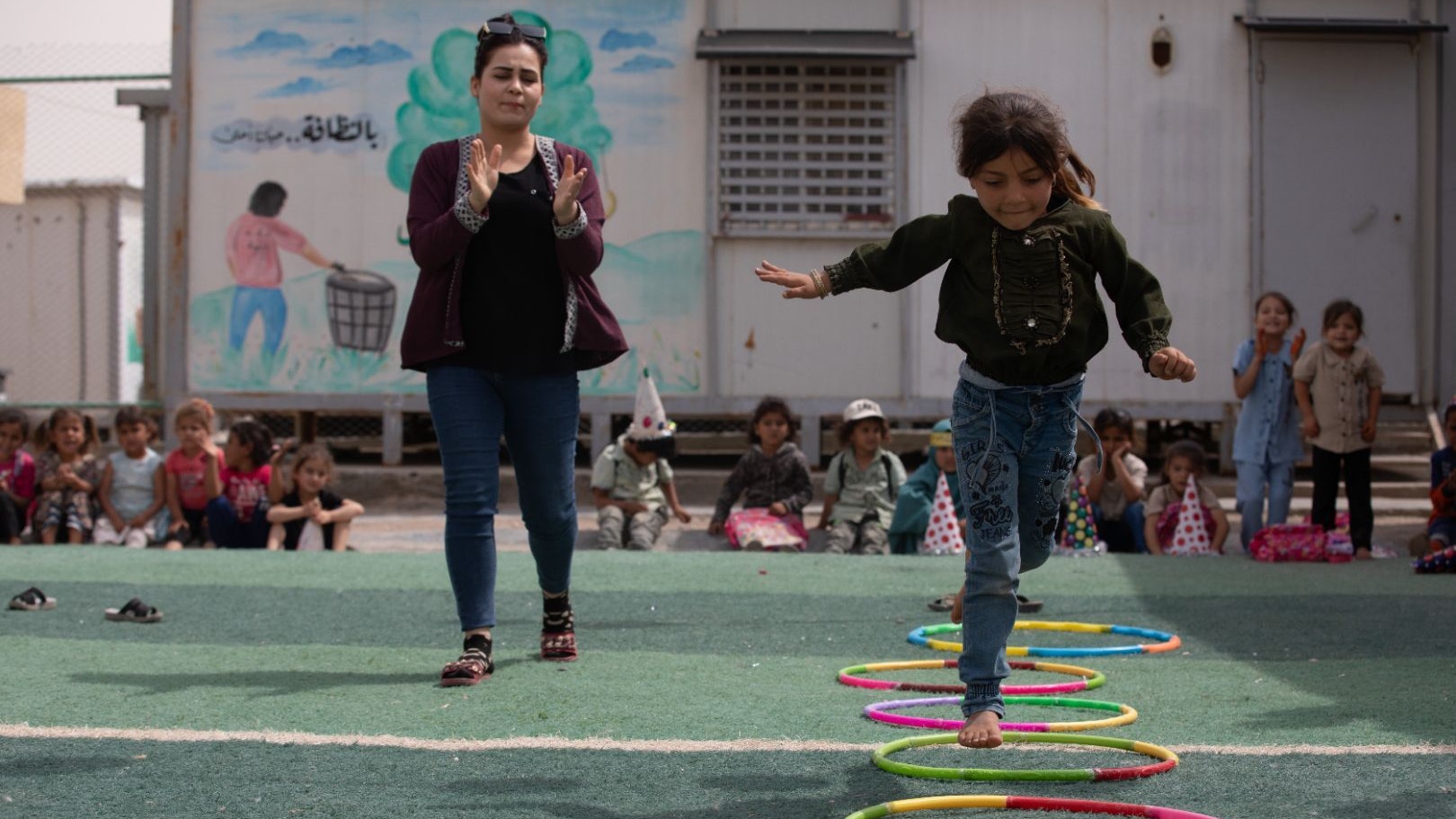
The Toolkit can be applied at strategic and programmatic levels, to inform country programmes and projects, support implementing partners, guide policy dialogue and help with quality assurance.
Aligned with the humanitarian-development-peace nexus, recommendations throughout the toolkit apply in fragile contexts and protracted crises and all types of humanitarian crisis contexts (forced displacement, conflict, natural disaster, health crisis, etc.).
What can you find in the Toolkit?
The toolkit consists of different modules that describe sector standards and best practice approaches for various sub-themes in EiE. All modules include examples and concrete tools illustrating how EiE can be integrated into humanitarian responses and protracted crisis programmes. It is important to underline that all tools and approaches presented in this toolkit need to be contextualised to be relevant for the specific needs, risks and vulnerabilities of the children and young people they aim to support. Additional tailored support from the SDC head office or Regional Education/Protection/EiE specialists and the SDC education backstopping team is available if required.
What modules does the Toolkit contain?
The Toolkit is structured around three complementary modules:
- Integrated Education and Child Protection Programming in Emergencies
- Inclusive Quality Education in Emergencies
- The Humanitarian-Development-Peace Nexus in Education
Each module includes a Guidance Note and three case studies. The Humanitarian-Development-Peace Nexus in Education module also features four practical tools. Explore the corresponding documents below.
EiE Toolkit Framing Note
Integrated Education and Child Protection Programming in Emergencies
The Integrated Education and Child Protection Programming in Emergencies module brings together a Guidance Note and three case studies, offering practical insights and lessons to support the integration of education and child protection in emergency contexts.
Guidance Document
Case Studies
Inclusive Quality Education in Emergencies
The Inclusive Quality Education in Emergencies module combines a Guidance Note and three case studies to provide practical guidance and country-level examples for ensuring inclusive, equitable and quality education for all children affected by emergencies.
Guidance Document
Case Studies
The Humanitarian-Development-Peace Nexus in Education
The Humanitarian-Development-Peace Nexus in Education module brings together a Guidance Note, three case studies and four practical tools to support more coherent, coordinated and sustainable education responses across humanitarian, development and peacebuilding efforts.
Guidance document
Case studies
Tools
SDC EiE Toolkit: Tool 1 - Checklist for implementing the HDP Nexus in education
This checklist is designed as a practical, operational tool to assess whether education interventions in crisis-affected contexts effectively contribute to the Humanitarian-Development-Peace (HDP) Nexus.
SDC EiE Toolkit: Tool 2 - Peacebuilding and conflict transformation checklist for the HDP Nexus in education
This tool has been developed in response to requests for more information and guidance about the ‘peace’ aspect of the Nexus.
SDC EiE Toolkit: Tool 3 - From education to durable solutions - and back: Closing the Nexus loop for displaced learners
This tool provides a concise overview of how education contributes to sustainable outcomes for displaced populations.
SDC EiE Toolkit: Tool 4 - Reading Guide: NORRAG Policy Insights: Education and the HDP Nexus at 10
This Reading guide provides an overview of the publication’s five core themes: Taking Stock; Centring Humanity; Teaching at the Heart of the Nexus; Leading Locally; Making the Connections.
EiE Toolkit Launch Webinar
Index
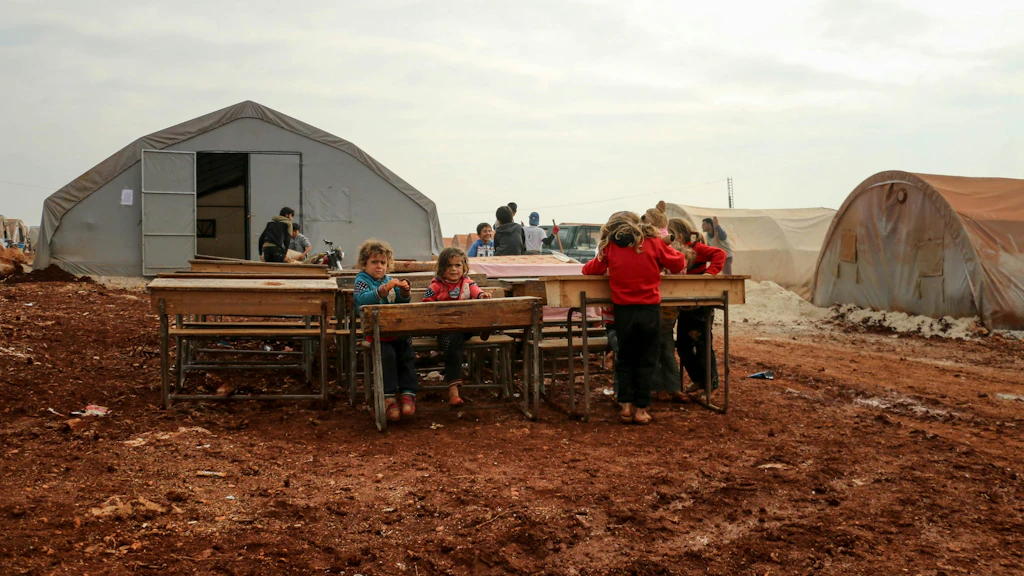
Education in emergencies
Education in emergencies (EiE) programming is a way to ensure the right to education even during crisis.