
Vocational skills development in thematic contexts
Vocational Skills Development (VSD) plays a vital role in addressing key thematic issues like social inclusion, youth unemployment, digitalisation, and migration. VSD promotes equitable opportunities for all, ensuring women, disadvantaged youth, and migrants can access quality training and employment. By integrating gender-sensitive approaches, leveraging digital tools, and addressing migration challenges, VSD helps build more inclusive and resilient communities.

VSD and social inclusion
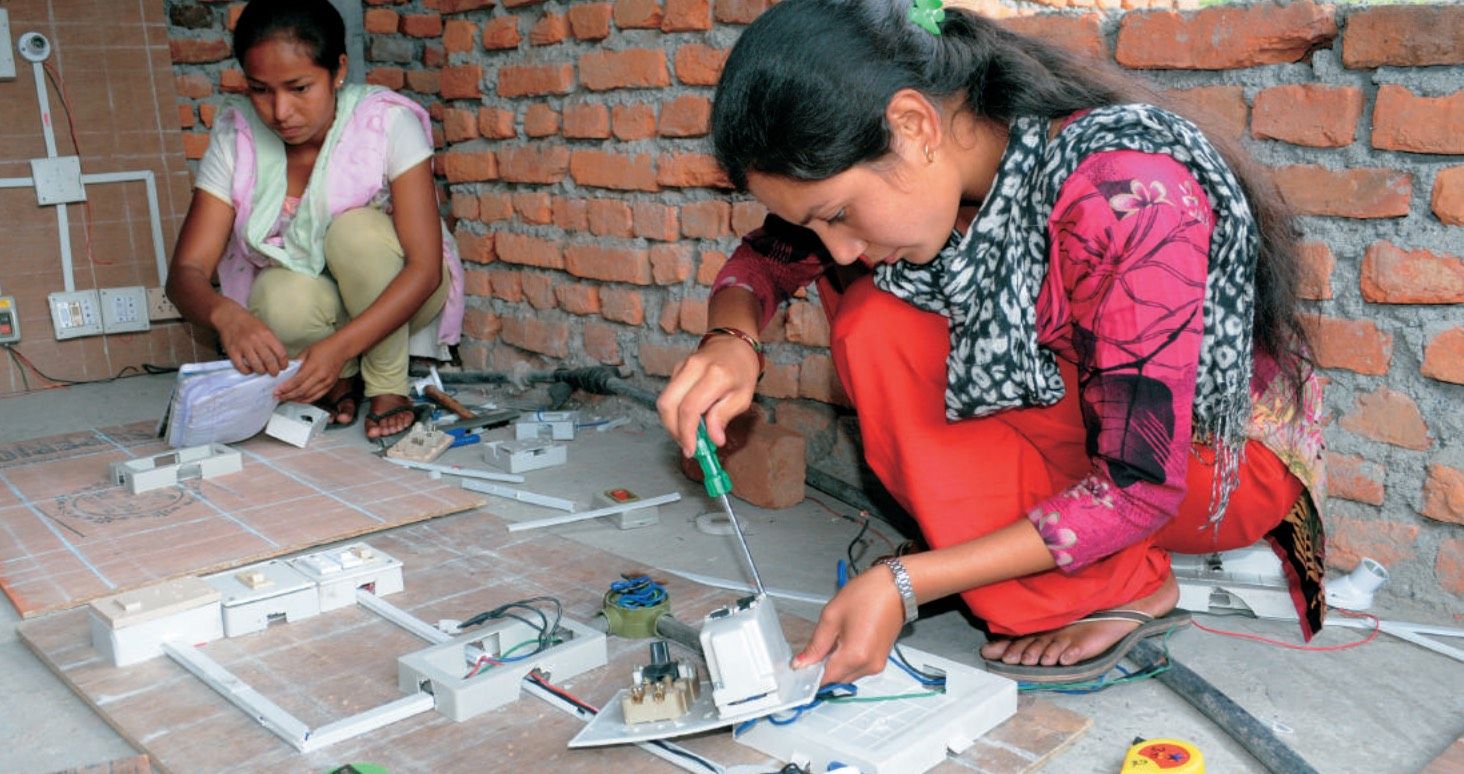
The interrelation of VSD and social inclusion is twofold: on the one hand, VSD is a powerful instrument for promoting the social inclusion of its clientele. On the other hand it can fulfil this function only if and when the VSD intervention itself applies an inclusive approach.
Key documents
Related topics
DC dVET Gender and Social Inclusion
How can development cooperation foster Gender Equality and Social Inclusion (GESI) in Vocational Education and Training (VET) in general and dual VET in particular?

Vocational skills development and vocational education training systems
Vocational Skills Development (VSD) has evolved from infrastructure-focused projects to impactful, sustainable system reforms, enhancing employability and economic growth across diverse contexts.
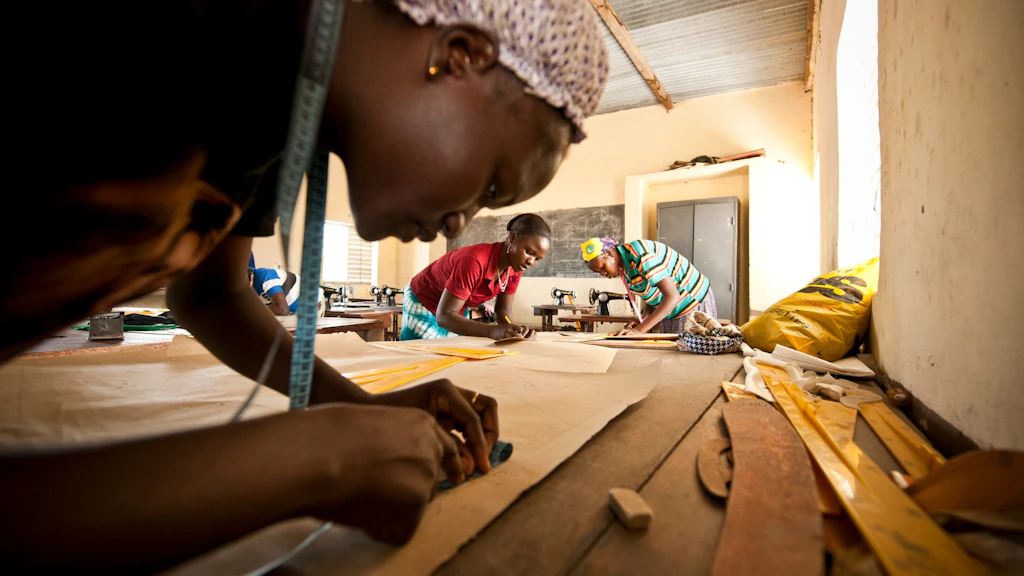
Transition from school to work - Interconnections
Foundational skills enable all further learning and are tools to further skills, including vocational skills. Lifelong learning and training are a must and foundational skills crucial in preparing learners for future job prospect.

Vocational skills development
SDC’s VSD strategy integrates basic education and vocational training to enhance skills, promote job opportunities, and support sustainable economic growth.