
Vocational skills development and vocational education training systems
SDC’s modern approach to Vocational Skills Development (VSD) emphasizes National Qualifications Frameworks for outcome-based training and integrates informal sector skills to foster sustainable development. This approach ensures that VSD projects contribute to meaningful, long-term improvements in national Vocational Education Training (VET) systems.

Since the 1960s, vocational skills development has evolved from a focus on technical training to a broader strategy addressing employability, informal sectors, and system-wide reforms.
Core functions of the VET system
Systems development aims at strengthening the capacities of the VET system in order to facilitate the achievement of its core tasks. The basic inputs demanded from the VET system for establishing high-quality TVET comprise:
- Conducive environment / legal and institutional framework: Development of the normative framework such as laws and regulations as well as training and examination standards and practically viable financing mechanisms
- Good trainers: Systematic basic and advanced training of instructors and trainers
- Modern teaching material: Provision of the VET system with up-to-date teaching and learning media that correspond to the state of the art.
- Strengthening the national VET system with respect to these three key functions requires a mix of different instruments that need to be reconciled with the specific situation and the programme's objective.
Informality
Informality is an important reality in many contexts, including the economy, labour market, and education systems. While the informal sector is often viewed negatively, it plays a significant role in job creation and income generation.
SDC acknowledges that informal employment is a diverse and enduring aspect of many economies, particularly in regions like Sub-Saharan Africa. Therefore, SDC’s VSD approach includes strategies to enhance skills for self-employment and improve productivity within the informal sector. By investing in the skills of informal workers, SDC aims to foster their transition into formal systems and support broader economic development. This approach involves adapting VSD tools to local contexts and integrating these efforts with private sector and financial system development to achieve meaningful and sustainable outcomes.
Current VSD system reforms and National Qualifications Frameworks NQF
One key feature of current reforms in the VSD domain is the development of National Qualifications Frameworks NQF. Unlike traditional skills standards, NQFs focus on training outcomes. However, there is still limited evidence on the impact of this model. Bilateral initiatives by smaller donors are increasingly scrutinized for their relevance to the system.
To ensure sustainability, SDC emphasizes that projects should not only lead to selective improvements at the delivery level but also expand capacities at the system level. Whether these efforts generate a real impact and contribute to system development is debatable, as true systems development involves interventions targeting the entire system, not just selected trainings, courses, or schools.
Building the capacity of the education system requires more than just staff training and curriculum development. It necessitates the entire organization being well-integrated into the system to implement policy priorities and employ effective management practices. This may also require institutional change and reform. SDC's approach ensures that VSD projects contribute to these broader goals, fostering a comprehensive and sustainable development of national VET systems.
Key documents
Understanding and Analysing Vocational Education and Training Systems - Introduction - SDC
Systemic Approaches in Vocational Skills Development - Key Concepts and Learnings - SDC
Financing of Infrastructure and Equipment in Vocational Education and Training - Guidance Paper - SDC
Including quality control procedure of the Expert Group Construction (Swiss Humanitarian Aid)
VET System Development - Webinar - SDC
Further resources
Capitalisation Exercise on Technical and Vocational Training Systems in Latin America - Brief - SDC
Document in Spanish
Capitalization Exercise Technical and Vocational Training Systems in Latin America - Brief - SDC
Document in English
Permeability in Education System Reform Webinar - Presentation - ETH
Promoting and Ensuring Permeability in Education System Reform - A Ticket up and a Ticket out - ETH
Index
Related topics

Transition from school to work - Interconnections
Foundational skills enable all further learning and are tools to further skills, including vocational skills. Lifelong learning and training are a must and foundational skills crucial in preparing learners for future job prospect.

Vocational skills development in thematic contexts
How Vocational Skills Development (VSD) addresses social inclusion, youth employment, digitalisation, and migration challenges across diverse contexts.
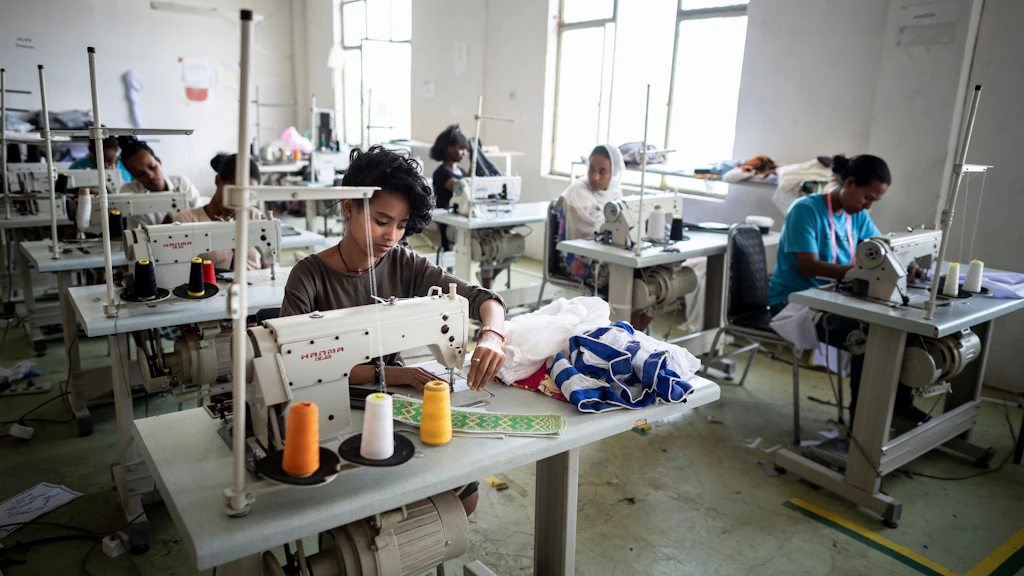
Dual vocational skills development and private sector engagement
Private sector partnerships are key to effective VET systems. Discover how SDC adapts the successful dual VET model to global contexts for quality vocational training.

Transversal themes & approaches
Transversal themes of the Economy and Education section include green, inclusive development and gender equalty.